
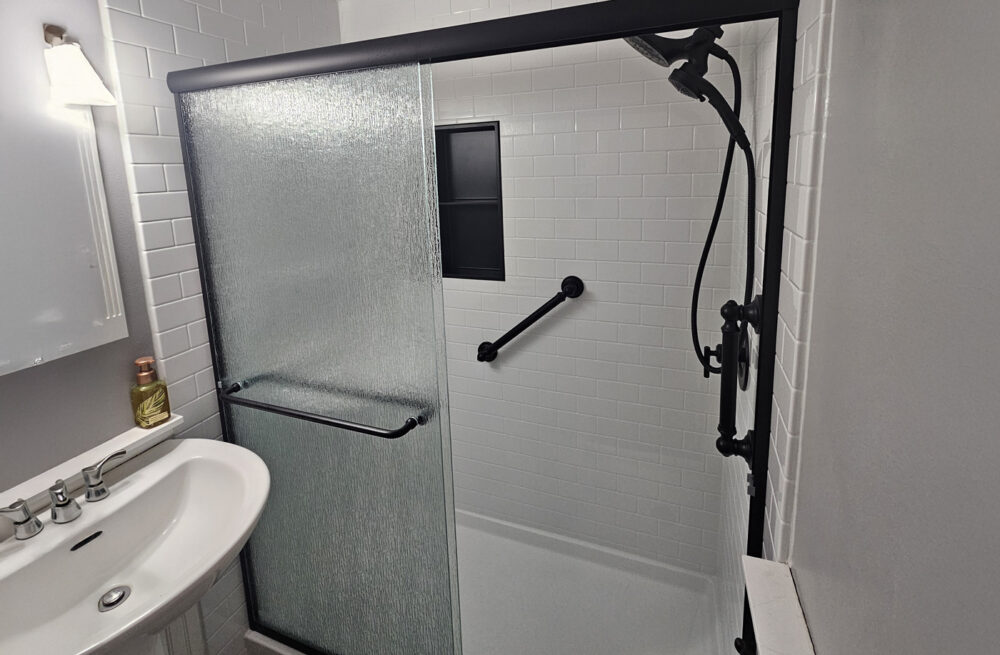
Tub-to-Shower Conversions in Milwaukee: What Homeowners Should Know Before Replacing a Bathtub
If your bathtub feels outdated, hard to step into, or more of a hassle than a help, you are not alone. Many homeowners in Milwaukee and Southeast Wisconsin are replacing old tubs with modern walk-in showers that are safer, easier to clean, and better suited for everyday life.
A tub-to-shower conversion can make your bathroom feel more open, improve accessibility, and reduce daily maintenance without requiring a full bathroom remodel. For older Milwaukee homes, it can also be a smart way to update a dated bathroom while working within the existing footprint.
Before you replace your bathtub, it helps to understand what the project involves, what affects cost, and how to choose the right shower system for your home.
Why Milwaukee Homeowners Are Converting Bathtubs to Showers
For many homeowners, the bathtub simply no longer fits their lifestyle. Maybe the tub rarely gets used. Maybe stepping over the high edge feels uncomfortable. Or maybe the old surround, grout lines, or fixtures are becoming harder to keep clean.
A tub-to-shower conversion solves several common problems at once:
- It creates easier entry and exit.
- It can make a small bathroom feel larger.
- It reduces grout and hard-to-clean surfaces.
- It modernizes the look of the room.
- It can improve comfort for aging homeowners or family members with mobility concerns.
In Milwaukee, many homes were built decades ago, and the bathroom layouts often reflect older design priorities. A traditional tub may have made sense when the home was built, but today’s homeowners often want something simpler, cleaner, and more accessible.
Safety and Accessibility Matter
One of the biggest reasons homeowners consider a tub-to-shower conversion is safety. Stepping over a tall tub wall can become risky, especially for older adults, children, or anyone with balance or mobility concerns.
A walk-in shower can include features such as:
- A low-entry shower base
- Textured flooring for better footing
- Grab bars
- Built-in or fold-down seating
- Handheld showerheads
- Easy-to-reach storage
- Wider entry options
These features can make the bathroom feel more comfortable and practical without making it look clinical. Many modern shower systems are designed to blend safety, style, and convenience in a way that fits the home.
For homeowners planning to age in place, a tub-to-shower conversion can be one of the most useful upgrades in the entire house.
Does Replacing a Bathtub Affect Resale Value?
A common question is whether removing a bathtub hurts resale value. The answer depends on your home.
If your home has multiple bathrooms and at least one tub remains, converting one bathtub into a shower is often a practical upgrade. Many buyers appreciate a clean, modern walk-in shower, especially in a primary bathroom.
If your home only has one bathroom, the decision depends on your priorities. Families with young children often prefer having at least one bathtub. However, homeowners who plan to stay in the home long-term may value safety, comfort, and convenience more than keeping a tub they rarely use.
The best approach is to think about how you use your bathroom now, how long you plan to stay in the home, and whether another bathtub exists elsewhere in the house.
What Affects the Cost of a Tub-to-Shower Conversion?
There is no one-size-fits-all price because every bathroom is different. The cost of a tub-to-shower conversion in Milwaukee depends on several factors, including:
- The size of the existing bathtub area
- Whether plumbing needs to be moved
- The type of shower base selected
- Wall material, color, and pattern
- Glass door or curtain options
- Seating, shelving, grab bars, and accessories
- Condition of the subfloor and walls
- Whether permits or code-related updates are required
A straightforward conversion that uses the existing plumbing layout will usually be simpler than a project that requires moving drains, changing valves, or repairing hidden water damage.
That is why an in-home consultation matters. A professional can inspect the current bathroom, identify potential issues, review design options, and provide a clear written quote before work begins.
How Long Does a Tub-to-Shower Conversion Take?
Many tub-to-shower conversions can be completed quickly once materials are ready, but the exact timeline depends on the condition of the bathroom and the scope of the project.
A typical process may include:
- Removing the existing bathtub and surround
- Inspecting the walls, framing, plumbing, and subfloor
- Making any needed plumbing or structural adjustments
- Installing the new shower base
- Adding wall panels or surround materials
- Installing fixtures, glass, accessories, and trim
- Sealing, cleaning, and reviewing care instructions
If the existing space is in good condition, the project can often move efficiently. If hidden moisture damage, uneven framing, or outdated plumbing is found, those issues should be corrected before the new shower is installed.
Local Factors in Milwaukee Homes
Milwaukee-area homes come in many ages and styles, from older city homes to suburban homes in New Berlin, Wauwatosa, Brookfield, West Allis, and Waukesha. That variety means bathroom projects can vary widely.
Older homes may have:
- Smaller bathroom footprints
- Older plumbing layouts
- Non-standard tub sizes
- Tile or plaster walls
- Uneven framing
- Previous remodel work hidden behind the walls
Wisconsin weather also plays a role in bathroom performance. Cold winters, indoor humidity, and seasonal temperature swings make proper sealing, ventilation, and moisture control important. A well-installed shower system helps prevent water from reaching areas where it can cause mold, rot, or long-term damage.
Working with a local installer who understands Milwaukee homes can help prevent surprises and ensure the new shower is installed correctly.
Design Options for a Walk-In Shower
A tub-to-shower conversion does not have to look basic. Modern systems offer plenty of customization while keeping maintenance simple.
Common options include:
- Wall colors and stone-look patterns
- Matte, chrome, or brushed nickel fixtures
- Built-in shelves or corner caddies
- Low-entry or barrier-friendly bases
- Framed or frameless glass doors
- Grab bars that match the hardware
- Seating for comfort and accessibility
- Handheld showerheads
The goal is to create a shower that fits your style and daily routine. Some homeowners want a clean, simple look. Others want something that feels more spa-like. Either way, the best design is one that is easy to use, easy to clean, and built for long-term comfort.
Tub-to-Shower Conversion vs. Full Bathroom Remodel
A tub-to-shower conversion is not always the same as a full bathroom remodel. In many cases, it focuses on replacing the existing bathtub area with a new shower while leaving the rest of the bathroom mostly intact.
This can be a good choice if:
- The vanity, flooring, and toilet are still in good condition.
- You mainly want to improve the wet area.
- You want a faster project timeline.
- You want to avoid a full gut remodel.
- You want a safer or more accessible shower.
A full bathroom remodel may make more sense if the entire room is outdated, the layout no longer works, or multiple fixtures need to be replaced.
During a consultation, you can review both options and decide what fits your goals, budget, and timeline.
Questions to Ask Before Replacing Your Bathtub
Before starting a project, ask:
- Do I still use this bathtub regularly?
- Is there another tub in the home?
- Do I need accessibility features now or in the future?
- Is the current tub hard to clean?
- Do I want glass doors or a curtain setup?
- Would seating or grab bars make daily use easier?
- Do I want a simple update or a more custom design?
- Is financing available?
These questions can help you choose a shower system that fits your needs instead of simply replacing one fixture with another.
Why Choose a Local Milwaukee-Area Installer?
When you hire a local company, you get more than installation. You get a team that understands local homes, local expectations, and local service needs.
A local installer can help with:
- Accurate measurements
- Practical design recommendations
- Code and permit guidance
- Clear communication
- Faster follow-up if questions come up
- Service built around Wisconsin homes and weather
For homeowners in Milwaukee and surrounding communities, that local accountability can make the entire remodeling experience smoother.
Ready to Replace Your Bathtub with a Walk-In Shower?
A tub-to-shower conversion can make your bathroom safer, cleaner, and more comfortable without the stress of a full remodel. Whether you are updating an older Milwaukee home, planning for aging-in-place, or simply tired of maintaining an outdated tub, the right shower upgrade can make a major difference.
SiDEX Home Improvement helps homeowners in Milwaukee, New Berlin, Waukesha, Brookfield, West Allis, and Southeast Wisconsin replace old bathtubs with modern shower systems designed for daily life.
Schedule your free in-home consultation today to explore tub-to-shower conversion options, design choices, pricing, and financing.
FAQs
How much does a tub-to-shower conversion cost in Milwaukee?
The cost depends on the size of the shower, wall system, glass options, plumbing needs, and accessories such as seating or grab bars. The best way to get accurate pricing is to schedule an in-home consultation and receive a written quote.
How long does a tub-to-shower conversion take?
Many projects can be completed quickly once materials are ready, but the timeline depends on the condition of the existing bathroom, plumbing layout, and any repairs needed behind the walls.
Can I replace my bathtub with a walk-in shower?
Yes. A tub-to-shower conversion removes the existing tub and replaces it with a walk-in shower system. This is a popular option for homeowners who want easier access, better safety, and lower maintenance.
Is a walk-in shower better for aging in place?
A walk-in shower can be a smart aging-in-place upgrade because it reduces the need to step over a high tub wall. Options such as grab bars, seating, handheld showerheads, and textured bases can make the bathroom safer and easier to use.
Do I need to keep one bathtub in my home?
If you have multiple bathrooms, many homeowners convert one tub while keeping another elsewhere in the home. If your home only has one bathroom, your decision may depend on resale goals, family needs, and how long you plan to stay in the home.
Can I customize the shower design?
Yes. You can choose wall patterns, base styles, fixtures, glass options, storage, seating, and safety accessories to match your home and daily routine.