
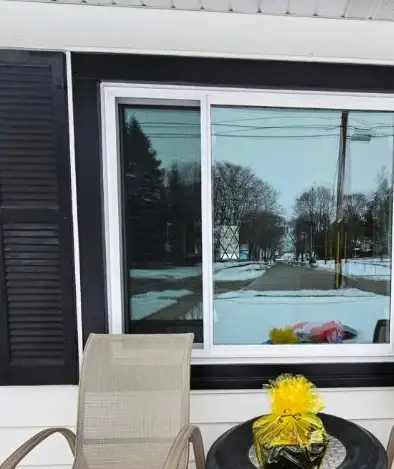
Are Replacement Windows Worth It in Wisconsin?
If your windows are drafty, difficult to open, fogging between the glass, or making your home uncomfortable during Wisconsin’s cold winters and humid summers, you may be wondering whether replacement windows are really worth the investment.
For many homeowners, the answer is yes. New windows can improve comfort, reduce energy loss, make maintenance easier, and refresh your home’s curb appeal. They can also make a noticeable difference in how your home feels day to day, especially during Wisconsin’s extreme seasonal changes.
That said, window replacement is still a major home improvement project. Before you move forward, it helps to understand when replacement makes sense, what benefits to expect, and how to choose the right window style for your home.
Why Windows Matter So Much in Wisconsin Homes
Wisconsin homes deal with a lot throughout the year. Cold winter air, summer humidity, heavy rain, wind, snow, and freeze-thaw cycles all put stress on older windows.
When windows are aging or poorly sealed, they can allow outdoor air to enter and conditioned indoor air to escape. That often leads to:
- Cold drafts near windows
- Rooms that feel too hot in summer or too cold in winter
- Higher heating and cooling demand
- Condensation or moisture concerns
- Windows that stick, rattle, or do not lock properly
- Fading or worn exterior appearance
In older homes around Milwaukee, New Berlin, Waukesha, Brookfield, West Allis, and nearby communities, window issues can be especially noticeable. Many homes have older frames, aging seals, or outdated glass that no longer performs the way modern homeowners expect.
Energy Efficiency: Can New Windows Help Lower Utility Costs?
Energy efficiency is one of the biggest reasons homeowners consider replacement windows. While windows are only one part of your home’s energy performance, they can play a major role in comfort.
Modern replacement windows are designed to reduce drafts and limit heat transfer. Depending on the window system, this may include:
- Insulated glass
- Low-E glass coatings
- Tight-sealing frames
- Improved weatherstripping
- Better locking systems
- Durable frame materials that resist warping and swelling
In winter, efficient windows help keep warm air inside and cold air outside. In summer, they help reduce heat gain and make it easier for your air conditioner to keep up.
The result is not just about the utility bill. It is also about comfort. Rooms feel more consistent, fewer cold spots form near windows, and your HVAC system does not have to work as hard to maintain the temperature you want.
Comfort Is One of the Biggest Benefits
Even if energy savings are important, comfort is often what homeowners notice first.
Old windows can make a room feel uncomfortable even when the thermostat is set correctly. You may feel a chill while sitting near the window in winter, or notice that certain rooms heat up faster in summer. In some homes, curtains may move slightly from drafts, or the area around the window may feel damp or cold.
Replacement windows help create a better seal around the opening. That can make your home feel more stable and comfortable year-round.
For families who spend a lot of time in living rooms, bedrooms, kitchens, or home offices, this everyday comfort can make a major difference.
Curb Appeal and Home Value
Replacement windows can also improve how your home looks from the outside. Worn frames, foggy glass, outdated grids, or mismatched windows can make a home look older than it really is.
New windows provide a cleaner, more consistent appearance and can complement your home’s style. Depending on your goals, you may choose:
- Classic double-hung windows
- Larger picture windows
- Casement windows for ventilation
- Bay or bow windows for added dimension
- Sliding windows for simple operation
- Awning or hopper windows for specialty spaces
For homeowners planning to sell eventually, window replacement can also be a selling point. Buyers often appreciate upgrades that improve efficiency, reduce maintenance, and make the home feel cared for.
When Window Replacement Makes More Sense Than Repair
Not every window issue requires full replacement. In some cases, minor hardware repairs, caulking, or maintenance may help. However, replacement often makes more sense when the window system itself is failing.
You may want to consider replacement if you notice:
- Drafts around multiple windows
- Condensation or fogging between panes
- Rotting, soft, or damaged frames
- Windows that are hard to open or close
- Broken locks or poor security
- Rising energy bills without another clear cause
- Outside noise becoming more noticeable
- Visible gaps or failing seals
- Water staining around window openings
If one or two windows are damaged, you may be able to replace only those. If many windows are aging at the same time, a larger replacement project may be more efficient and consistent.
Can You Replace Windows in Phases?
Yes. Many homeowners choose to replace windows in phases rather than do the entire house at once.
This can be a smart approach if you want to manage your budget or prioritize the most urgent areas first. For example, you may start with:
- The draftiest windows
- Windows with broken seals
- Front-facing windows that affect curb appeal
- Bedroom windows for comfort
- Large living room windows
- Windows with security concerns
A professional consultation can help you decide which windows to replace first and which can wait.
What Affects the Cost of Replacement Windows?
The cost of replacement windows in Wisconsin depends on several factors. No two homes are exactly the same, so the best pricing comes from an in-home consultation and measurements.
Common cost factors include:
- Number of windows being replaced
- Window size
- Window style
- Frame material
- Glass package
- Grid or design options
- Interior and exterior trim needs
- Difficulty of installation
- Existing frame condition
- Whether any repairs are needed around the opening
A basic double-hung window replacement will usually differ in cost from a large bay window, picture window, or custom-shaped window. Energy-efficient glass packages and premium finishes can also affect pricing.
The goal is to choose windows that fit your home, budget, and long-term expectations.
What to Expect During Window Installation
A good window replacement process should feel clear and organized from start to finish.
Typically, the process includes:
- In-home consultation- A specialist reviews your current windows, discusses concerns, and explains style and performance options.
- Measurements – Each opening is measured carefully to ensure the new windows fit correctly.
- Written proposal – You receive a clear quote outlining the scope, window selections, and estimated timeline.
- Installation preparation – On installation day, the crew protects floors, furniture, and surrounding areas.
- Old window removal – Existing windows are removed carefully to avoid unnecessary damage.
- Opening inspection – The installer checks for soft wood, air gaps, or moisture concerns before setting the new window.
- Window installation and sealing – The new window is leveled, secured, insulated, and sealed for performance.
- Final cleanup and walkthrough – The crew cleans the work area and explains how to operate and care for the new windows.
The best installers do more than simply place the window in the opening. They make sure the unit is sealed, aligned, and operating correctly.
Choosing the Right Window Style
Different rooms often need different window styles.
For example:
- Double-hung windows work well in bedrooms, living rooms, and traditional homes.
- Casement windows provide strong ventilation and easy operation.
- Picture windows are ideal when you want more natural light and a clear view.
- Sliding windows work well in spaces where simple horizontal operation makes sense.
- Bay and bow windows add dimension, light, and character.
- Awning windows are useful where ventilation and rain protection matter.
- Hopper windows are common in basements and smaller spaces.
A local window specialist can help you balance appearance, airflow, efficiency, and maintenance.
Why Work With a Local Wisconsin Window Installer?
Wisconsin homes require windows that can handle seasonal extremes. A local installer understands the challenges that come with cold winters, humid summers, and frequent temperature swings.
Working with a local team also gives you:
- Better communication
- Faster follow-up
- Local service accountability
- Knowledge of common home styles in the area
- Experience with regional weather demands
- Clearer guidance on installation expectations
For homeowners in Milwaukee, New Berlin, Waukesha, Brookfield, West Allis, and surrounding Southeast Wisconsin communities, choosing a local installer can make the project smoother and more reliable.
Are Replacement Windows Worth It?
Replacement windows are worth considering if your current windows are affecting comfort, efficiency, appearance, or security. They may not be the right first step for every home, but when windows are drafty, damaged, outdated, or hard to use, replacing them can improve both daily life and long-term value.
New windows can help you:
- Reduce drafts
- Improve year-round comfort
- Refresh curb appeal
- Make cleaning and operation easier
- Improve energy performance
- Increase confidence in your home’s condition
The key is choosing the right windows and having them installed properly.
Ready to Explore Replacement Windows for Your Wisconsin Home?
If your windows are drafty, fogging, hard to open, or no longer keeping your home comfortable, SiDEX Home Improvement can help. Our team installs energy-efficient replacement windows for homeowners in Milwaukee, New Berlin, Waukesha, Brookfield, West Allis, and Southeast Wisconsin.
We’ll review your current windows, explain your options clearly, take accurate measurements, and provide a written quote before work begins.
Schedule your free in-home consultation today to explore replacement window styles, energy-efficient options, financing, and installation timelines.
FAQs
Are replacement windows worth it in Wisconsin?
Yes, replacement windows can be worth it if your current windows are drafty, damaged, difficult to use, or hurting your home’s comfort. Wisconsin’s cold winters and humid summers make window performance especially important.
How do I know if my windows need to be replaced?
Signs include drafts, fogging between glass panes, rotting frames, broken locks, sticking windows, water stains, and rooms that are hard to heat or cool.
Can new windows lower my energy bills?
Energy-efficient windows can help reduce heat loss, drafts, and air leakage. Actual savings depend on your home, existing windows, insulation, HVAC system, and energy use.
What type of windows are best for Wisconsin homes?
The best window depends on the room and your goals. Double-hung, casement, picture, bay, bow, sliding, awning, and hopper windows can all work well when properly selected and installed.
How long does window replacement take?
Many standard window projects can be completed efficiently once products are ready. The timeline depends on the number of windows, installation complexity, and any repairs needed around the openings.
Can I replace only a few windows at a time?
Yes. Many homeowners replace windows in phases, starting with the draftiest, most damaged, or most visible windows first.
Do replacement windows require maintenance?
Most modern replacement windows are low-maintenance. Regular cleaning, checking locks, and keeping tracks clear usually helps them operate well for years.